Introduction
In minutes of situation, having the ideal equipment can imply the difference between life and fatality. Cardiopulmonary resuscitation (CPR) is a critical skill that everybody ought to learn, particularly because it can save lives throughout emergencies. This is especially true in Australia, where sudden cardiac events, drowning occurrences, and sports-related cardiac arrests are sadly typical. Beyond recognizing just how to execute CPR, comprehending what necessary Go to the website mouth-to-mouth resuscitation equipment you need to carry hand is similarly crucial. This post looks into the critical devices and tools necessary for efficient mouth-to-mouth resuscitation methods in Australia.
Essential CPR Devices in Australia: What You Must Carry Hand
When it involves lifesaving measures like mouth-to-mouth resuscitation, having the ideal equipment conveniently offered is an outright need. The complying with things are essential for anyone seeming gotten ready for emergency situations:
1. Automated External Defibrillator (AED)
An AED is a mobile gadget that can evaluate heart rhythms and provide an electric shock if required. It's vital in cases of abrupt heart arrest.
- Benefits of AEDs: Quick accessibility to an AED significantly boosts survival rates. Where to Locate AEDs: Many public places in Australia are geared up with AEDs, consisting of mall and schools.
How to Utilize an AED? Making use of an AED is uncomplicated:
Turn on the device. Attach pads to the person's bare chest. Follow voice prompts for evaluation and shock delivery.2. Mouth-to-mouth Resuscitation Masks and Barriers
These gadgets safeguard both the rescuer and victim during mouth-to-mouth resuscitation.
- Types of Masks: Pocket masks with one-way valves are popular choices.
3. Emergency Treatment Kit
An extensive first aid set need to contain basic medical materials like bandages, bactericides, handwear covers, and scissors.
- Contents of an Excellent First Aid Kit: Adhesive bandages Sterile gauze pads Antiseptic wipes Disposable handwear covers
4. Individual Safety Devices (PPE)
Gloves, masks, and face guards protect versus infectious illness throughout resuscitation efforts.
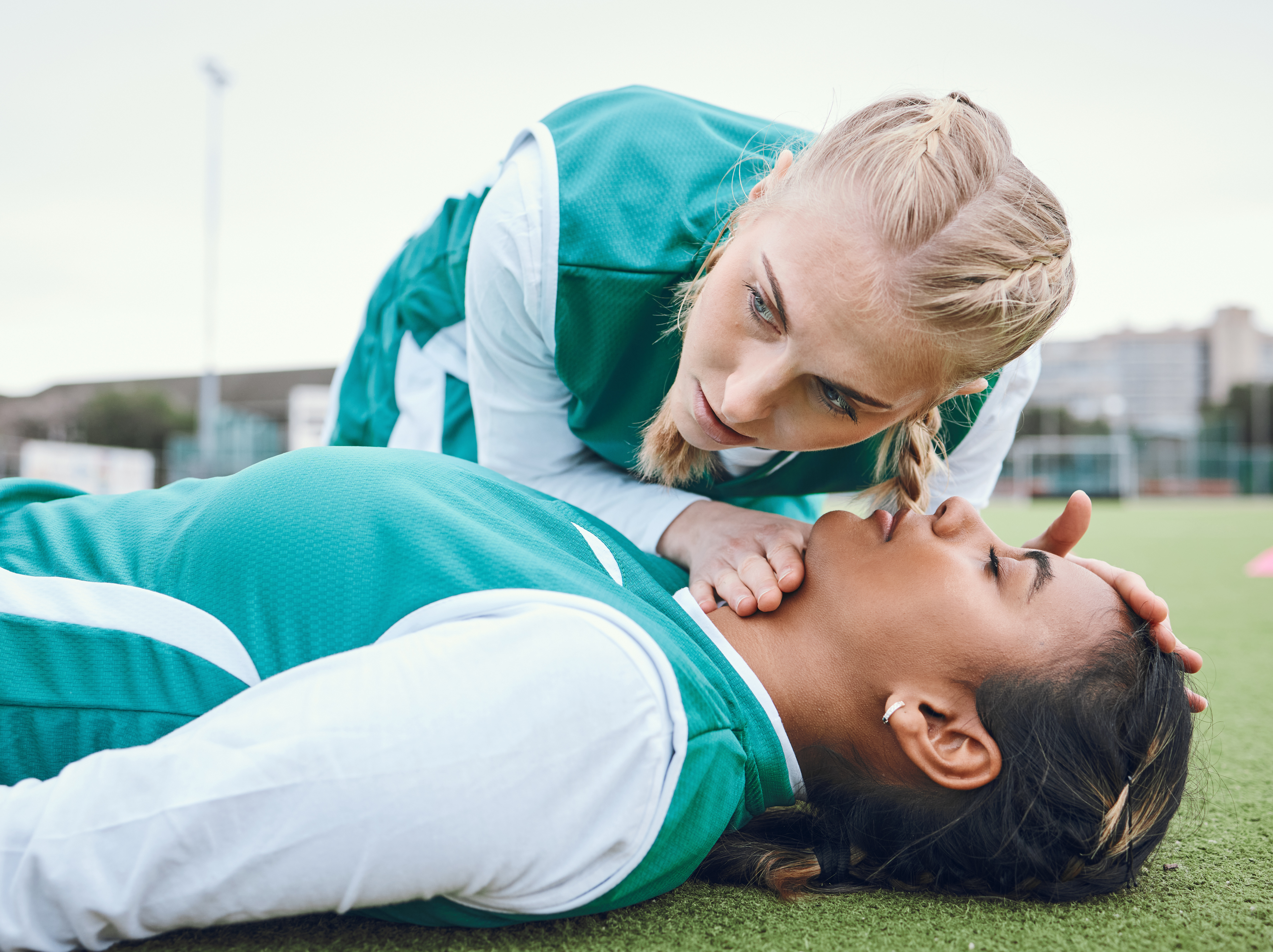

5. Educating Manikins
Manikins are essential for exercising mouth-to-mouth resuscitation strategies successfully and accurately.
- Importance of Practice: Regular training ensures readiness when real emergency situations occur.
6. Online Resources for Training
Accessing on-line programs can help familiarize on your own with both mouth-to-mouth resuscitation methods and the most up to date guidelines.
Understanding mouth-to-mouth resuscitation Techniques
Knowing how to do CPR efficiently can significantly influence its success rate:
7. Just how to Do CPR?
CPR includes chest compressions and rescue breaths:
- Compression Depth: The proper compression deepness for adults has to do with 5-6 cm.
Table: Compression Depth Guidelines
|Age Group|Compression Depth|| ------------------|------------------|| Adults|5-6 cm|| Children (1-8)|4-5 centimeters|| Infants (<< 1 year)|3-4 centimeters|</p>
8. Infant Mouth-to-mouth Resuscitation Technique
This method varies significantly from grown-up treatments due to the delicacy of infants:
- Use 2 fingers for compressions at a deepness of regarding 3-4 cm.
9. Advanced Resuscitation Skills
Salisbury area first aid coursesFor doctor or those seeking sophisticated training, abilities such as intubation or IV treatment might be necessary.
Special Situations in CPR
Certain scenarios require adjusted strategies or added considerations:
10. Sports-Related Cardiac Arrests
Athletes might experience heart occasions differently because of physical exertion.
11. Sinking Victims
CPR strategies might need adjustment based on water inhalation results:
- Focus on rescue breathing before upper body compressions.
Household mouth-to-mouth resuscitation Readiness
Being prepared in the house can conserve lives during emergencies:
12. Creating a Household Emergency Plan
Discuss emergency procedures with relative regularly.
13. Saving Important Equipment
Keep your first aid kit, AED, and various other vital gear easily obtainable at home.
Workplace Emergency Plans
Every work environment ought to have a clear method pertaining to cardiac emergencies:
14. Developing Workplace Guidelines
Establish clear procedures for team member to comply with during an emergency situation including cardiac arrest.
Local Resources for Training and Certification
Taking action begins with education:
15. Neighborhood CPR Classes in Australia
Many organizations use courses tailored to various target markets-- be it parents or healthcare professionals.
List of Organizations Offering Classes
- St John Ambulance Red Cross Australia
16. Online Mouth-to-mouth Resuscitation Accreditation Courses in Australia
Online alternatives make it less complicated than ever to learn important lifesaving abilities at your own pace.
Understanding Certification Validity
Keeping your skills existing is just as vital as recognizing them initially:
17. CPR Certification Legitimacy in Australia
Most accreditations need revival every 3 years; check individual training course needs for details.
FAQs
Q1: Exactly how frequently ought to I refresh my CPR training?

Q2: Can anybody perform CPR?
Yes! Any person can perform hands-only mouth-to-mouth resuscitation despite their certification status; nonetheless, trained people will certainly be a lot more effective.
Q3: What's the distinction in between adult and infant CPR?
The major distinction hinges on compression depth and technique used; adult compressions are deeper than infant compressions as a result of dimension differences.
Q4: Do I require unique equipment for carrying out baby CPR?
Not necessarily-- basic first aid sets are enough; nonetheless, expertise regarding appropriate strategies is crucial.
Q5: Is it needed to make use of rescue breaths throughout CPR?
While hands-only compression has actually been shown effective for adults experiencing out-of-hospital cardiac arrests, rescue breaths stay important during particular scenarios like drowning incidents or pediatric emergencies.
Q6: Where can I locate neighborhood courses or accreditation options?
Examine recreation center or organizations like St John Ambulance or Red Cross; they often use courses throughout Australia!
Conclusion
Being prepared with important mouth-to-mouth resuscitation devices not only empowers individuals yet additionally promotes an area prepared to respond efficiently during emergencies. With resources offered throughout Australia-- from local courses to online certifications-- there's no justification not to furnish on your own with these lifesaving abilities. Keep in mind that discovering just how to do efficient CPR suggests being proactive concerning safety and security-- not simply for ourselves however also for those around us that could someday rely upon our readiness during a minute of crisis!